 1 month ago
41
1 month ago
41
Wilde: 'Asking for help was one of the best things I ever did'
BySophie HurcomBBC Sport England and Jack KillahBBC Radio Somerset
For years Becky Wilde did not think how she was treating her body while living with an eating disorder was anything other than normal.
Now an Olympic medal-winning rower, the former swimmer said a comment over weight gain when she was a teenager was behind a change in her performance, which played a major role in triggering the condition.
For years Wilde hid her struggles from coaches, parents and friends before seeking help.
"It probably took a few years to realise what I was doing to myself," Wilde told BBC Radio Somerset.
"[It] wasn't OK, was not healthy. It took me a long time to accept that fully, probably six years into it that I really realised it but then still didn't ask for help.
"It was just part of the habits that I'd developed – to me it was my normal for a really long time."
Wilde, from Taunton, Somerset, began swimming as a child and went on to represent Wales, qualifying through her Welsh mother.
But the Olympics was always her ultimate dream and after starting university in Bath she took up rowing through a talent-spotting scheme.
In 2024 Wilde won bronze at the Paris Olympic Games as part of the women's double skulls alongside Mathilda Hodgkins-Byrne, while she also clinched gold at the European Championships in the quadruple sculls and silver in the same event at the World Championships last year.
But the now 27-year-old described swimming as "my whole life for a really long time".
"It's one of those sports that you have to give your whole life to from a really young age and I guess I was training almost like an elite athlete from the age of 11, 12 onwards. When you dedicate so much of your life to that it's hard to not be consumed by it," she said.
It was not until she was in her late teens that unhealthy habits took over.
"The main trigger for me was being told I'd put on weight and then attributing that to why I swam slower, which wasn't the reason – there's a whole host of reasons why you might not be performing at the best," Wilde added.
"In addition to that, growing up in a time where social media was coming to the fore and we were confronted by so many different ideals about what bodies should look like - I think that also played a part."
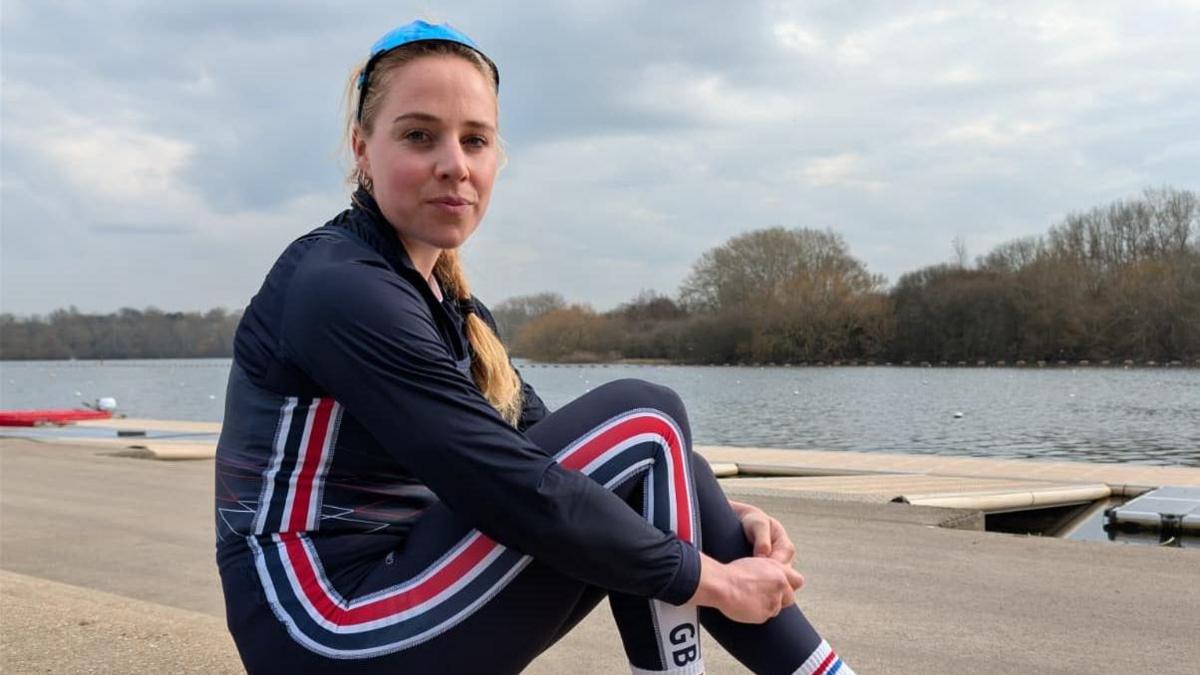
Wilde attributes injuries she has had during her rowing career to the eating disorder
The condition meant Wilde began to experience detrimental impacts on her physical health as well as her mental wellbeing.
During her swimming career she describes herself as overtrained and often "quite sick".
"Part of that was because I wasn't fuelling myself enough," she said.
Then in rowing it started to manifest in repeated injuries, particularly to her ribs.
"My bone density has been made so weak as a result of not eating enough," she added.
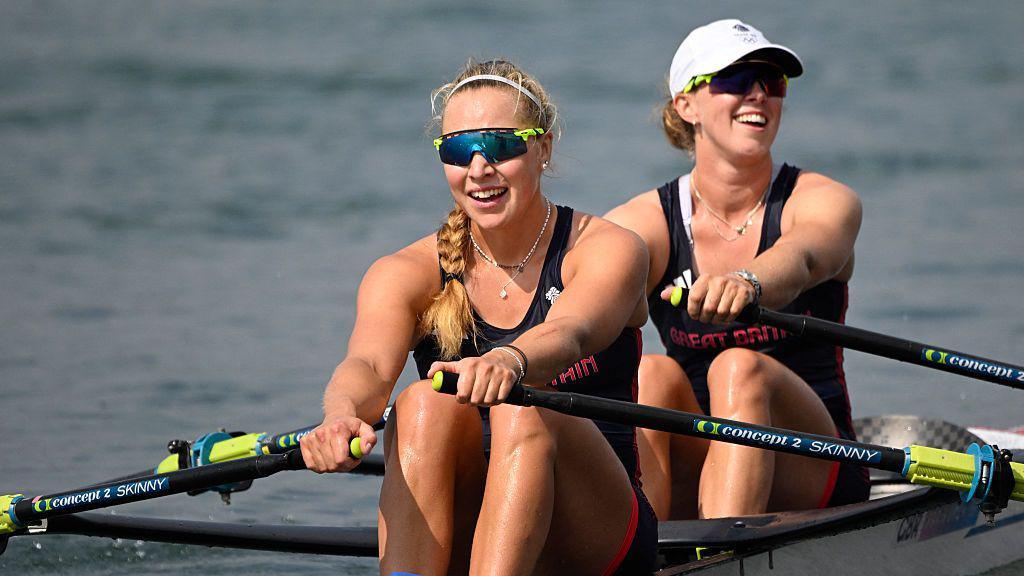 Image source, Getty Images
Wilde came home with a bronze medal at her first Olympic Games in Paris in 2024
'Asking for help is the best thing you can do'
It took six years until 2022 when Wilde sought help, after back-to-back rib injuries during the season left her in a "really bad place".
"I just remember being so broken down by it all and I'd always been like, 'why me?' and then it suddenly hit me – this is why," she said.
"That's when I finally was like I just need some help and I broke down to my coach and I think he fully understood why and what was going on. He was like, 'we need to do something about this and get you some help'."
The past few years since, featuring Wilde's first appearance at the Olympics, have been "full of ups and downs".
She credits therapy with playing a big part in her recovery and wants to raise awareness for anyone going through a similar disorder.
"I think of myself when I was 16, 17, 18 and how lonely I was and how I didn't really feel like I could talk to anyone, I felt embarrassed," Wilde said.
"I want people to know that asking for help is the best thing you could ever do."
Wilde believes views towards women's bodies are changing, particularly in sport, but more still needs to be done, citing the likes of England's Rugby World Cup winning Red Roses team and weightlifter Emily Campbell as positive influences.
"All types of bodies are being celebrated because they're strong, powerful and beautiful and for me that is huge and I wish I had those role models like that growing up," she said.
Winning an Olympic medal has also helped Wilde appreciate her own body and see it in a new light.
"Finally appreciating how incredible my body can be," she added.
"I achieved an Olympic bronze medal as a result of treating it right – that's played a big part."
If you've been affected by the issues in this article, you can visit BBC Action Line for help and support.