 1 month ago
36
1 month ago
36
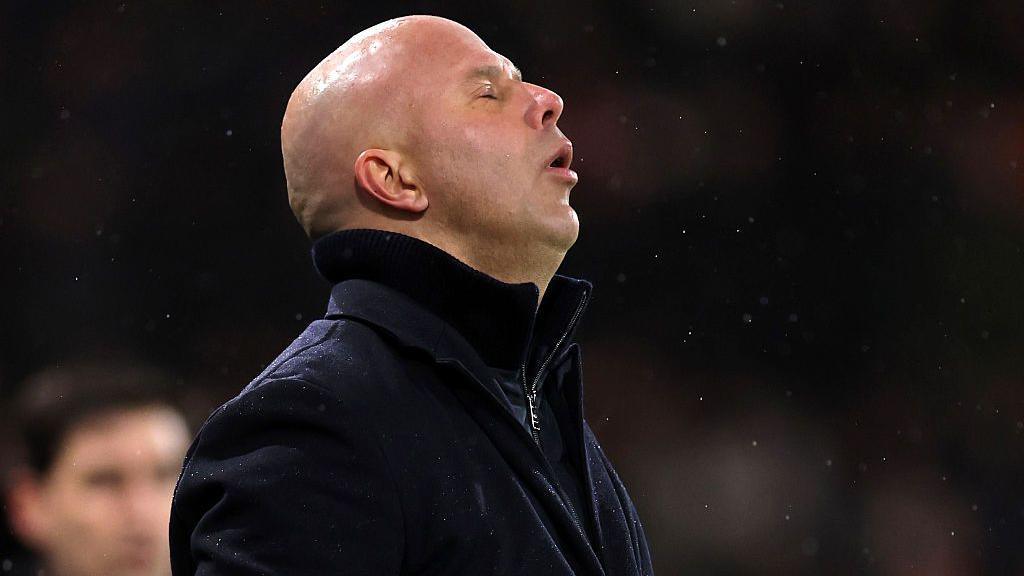 Image source, Getty Images
Champions Liverpool have lost seven of their 23 Premier League games this season and are 14 points behind leaders Arsenal
By
Football tactics correspondent
If you have listened to any of Arne Slot's news conferences this season, you will have heard the Liverpool manager refer to 'low blocks'.
The term essentially refers to a team's defensive shape - blocking space close to their own goal. The closer to their goal, the lower the block.
Slot's side - who cruised to the Premier League title last season in his first year in charge - have struggled for fluidity and consistency this term.
And one of the reasons for that, according to the Reds boss, has been their inability to break down sides who defend deep against them.
But Slot's mentions of low blocks have become so frequent that frustration has started to grow among fans.
Liverpool legend Steven Gerrard said: "He needs to stop mentioning low blocks. Low blocks have been happening against Liverpool since I was playing. That's just the way it is."
However, Slot may have a point - with the Reds having faced the highest percentage of low blocks of any top-flight team this season.
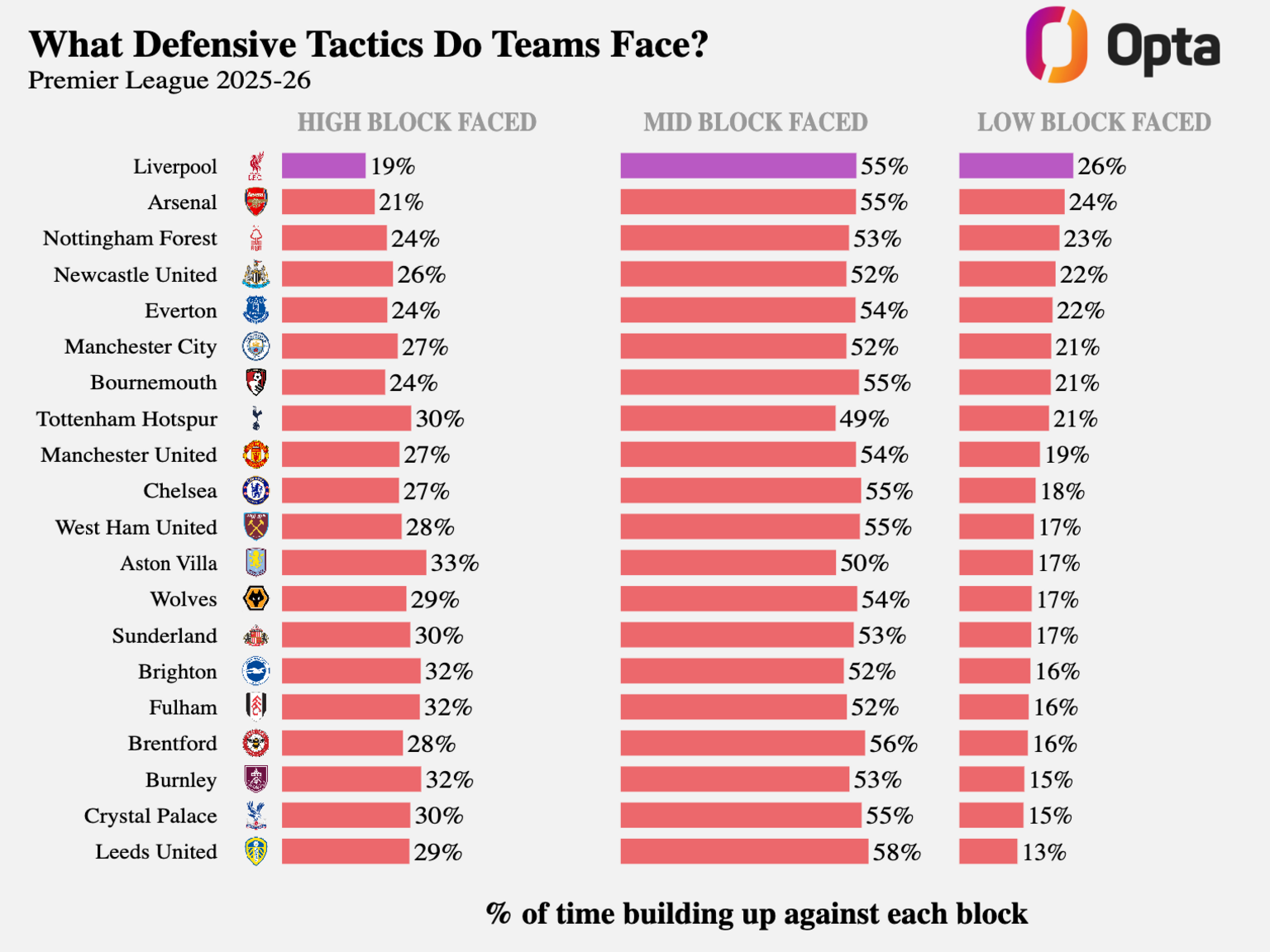 Image source, Opta
Liverpool have faced more low blocks than any other Premier League team in 2025-26
In fact, the space Slot's side thrived in last year only seems to present itself against European sides in the Champions League, with Liverpool having scored nine goals - and conceded none - in their past two games in Europe.
So why are the Reds struggling against low blocks domestically, how are they trying to unlock them and what could they do better?
Sort out set-pieces
On 1 January, Slot highlighted a number of ways teams can break down low blocks.
"One [way] is a set-piece," Slot said.
Using set-pieces to unlock stubborn defences is a pattern numerous top teams are leaning on.
The percentage of opening goals scored from non-penalty set-pieces in the Premier League this season is 32.2%, the highest since 2011.
This is partly because set-pieces are a part of the game that still favour the attacking side, with teams able to choreograph routines throughout the week.
Unlike some of their rivals, however, Liverpool have failed to capitalise in this area - and set-piece coach Aaron Briggs left the club in December amid their dead-ball struggles.
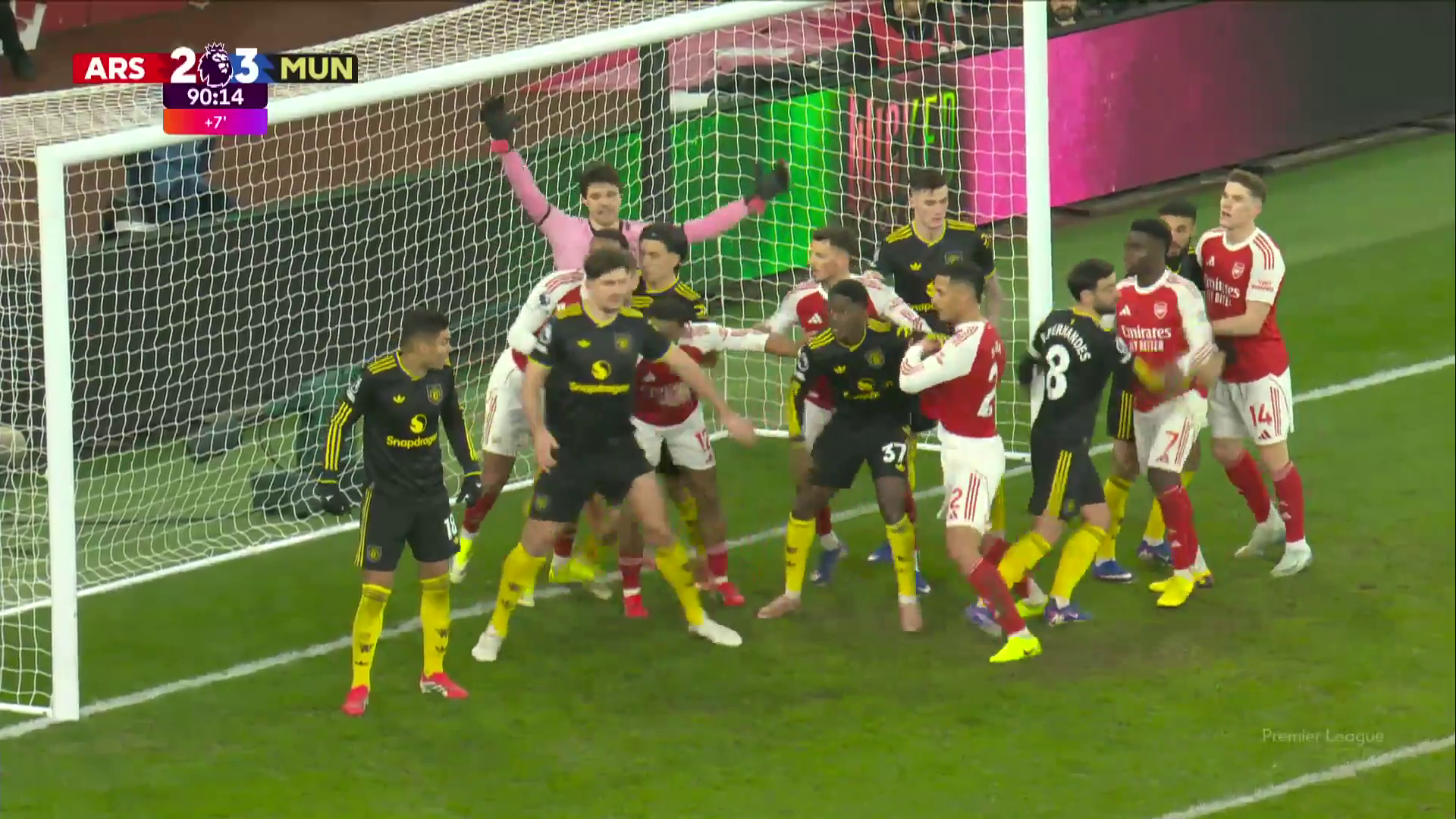
This example of an Arsenal attacking corner shows how crowding the six-yard box makes a goalkeeper's movement more difficult
Only Nottingham Forest (4.97) have generated less xG than Liverpool's 5.03 from set-pieces.
The loss of reliable corner takers from the starting XI in Trent Alexander-Arnold, Andy Robertson and Kostas Tsimikas has undoubtedly had an impact.
Dominik Szoboszlai has taken the responsibility for most corners this season, but the right-footer's deliveries from the right have all been out-swingers.
That goes against the general league trend, which has seen teams sending in-swinging corners into crowded six-yard boxes.
Of the 79 corners taken from Liverpool's right this season, only 20% have been in-swingers, shared between Mohamed Salah and Robertson. Of last season's 145 corners from the right, 52% were in-swingers.
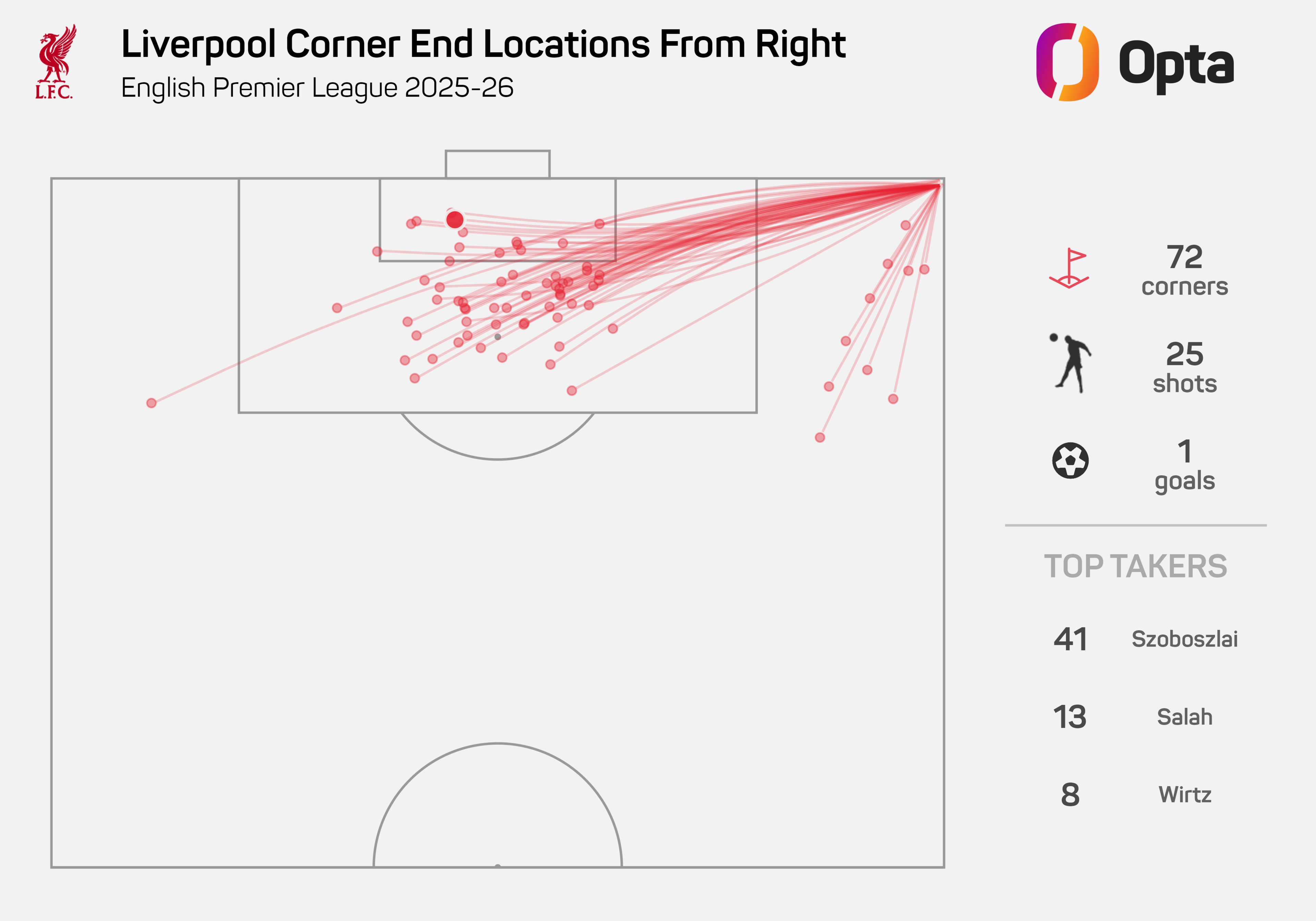 Image source, Opta
The majority of Liverpool's corners from the right have been out-swinging this season
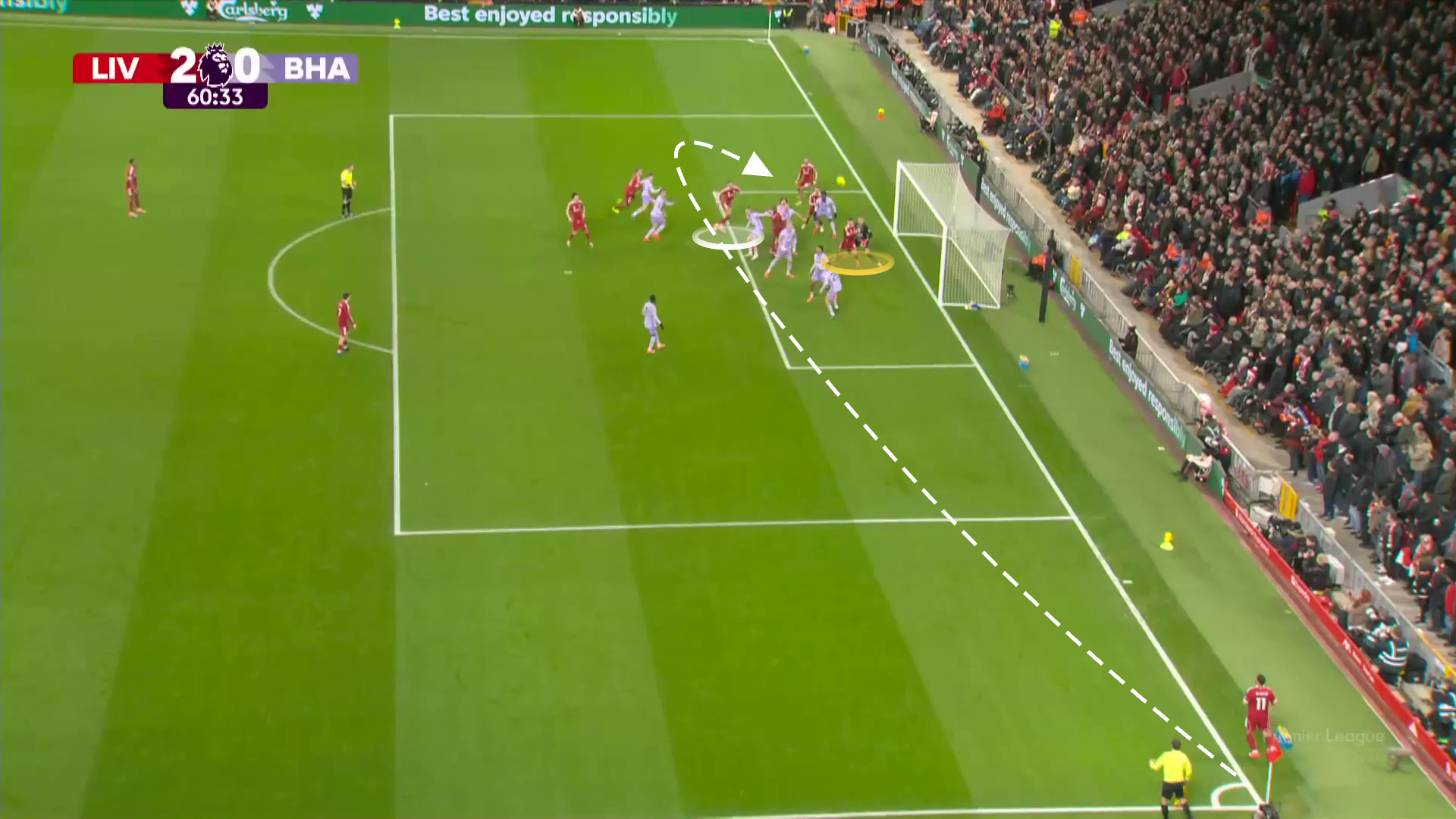
Salah's in-swinging cross to Ekitike (white) led to Liverpool's second goal against Brighton, as Milos Kerkez applied light pressure to Bart Verbruggen (yellow)
Why loss of Frimpong is a blow
"Another [way to break down low blocks] is with something like we saw last week against Wolves, when Jeremie Frimpong had his moment of magic with a quick one-v-one," Slot continued.
"To create chances against a low block, you need pace and individual special moments to create an overload."
In the simplest terms, an overload is when one team has more players than the opposition in a particular area.
Against a low block, the centre of the pitch is often crowded with the defence looking to block any direct route to goal - so wide areas are key.
In one-v-one situations, Frimpong can use his pace to burst past his opponent, resulting in a Liverpool overload on the flank.
This has another knock-on effect - teams react by dropping their defensive line closer to their goal.
This can open up space in front of the defence, often towards the edge of the box, allowing more time to shoot under minimal pressure.
However, Frimpong went off in the fourth minute of Wednesday's Champions League match against Qarabag with a muscle injury - and his electric pace will be hard to replace.
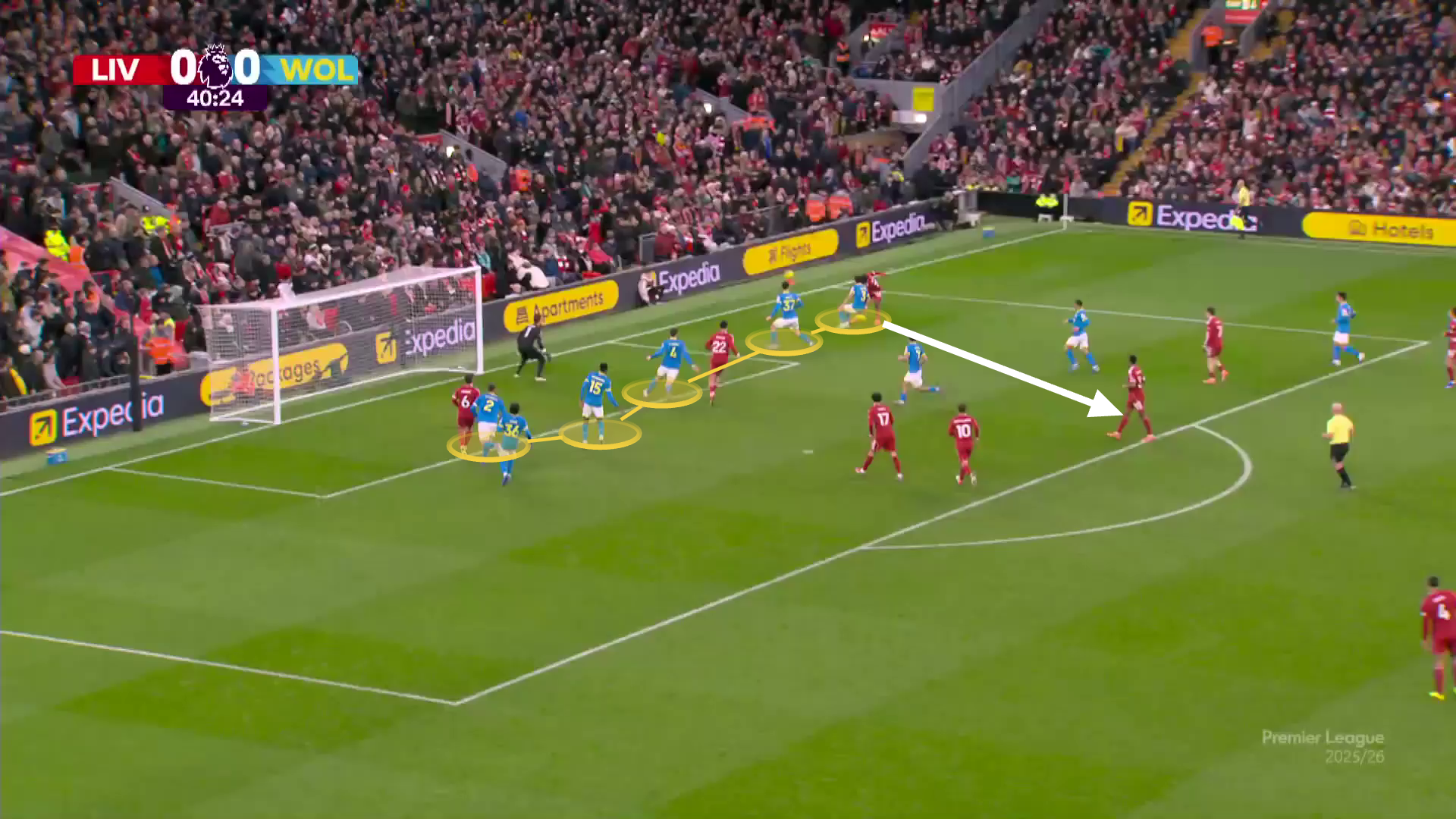
Frimpong's ability to beat his man pushed Wolves' defence back to the edge of their six-yard box - and he cut the ball back to Ryan Gravenberch in space who scored
In comparison to the flying Frimpong, Liverpool's wingers - most often Salah and Cody Gakpo this season - have struggled to open up low blocks.
Both players like to cut inside on their stronger foot, rather than driving at the byeline, and have often opted to take low-probability shots from distance through packed boxes.
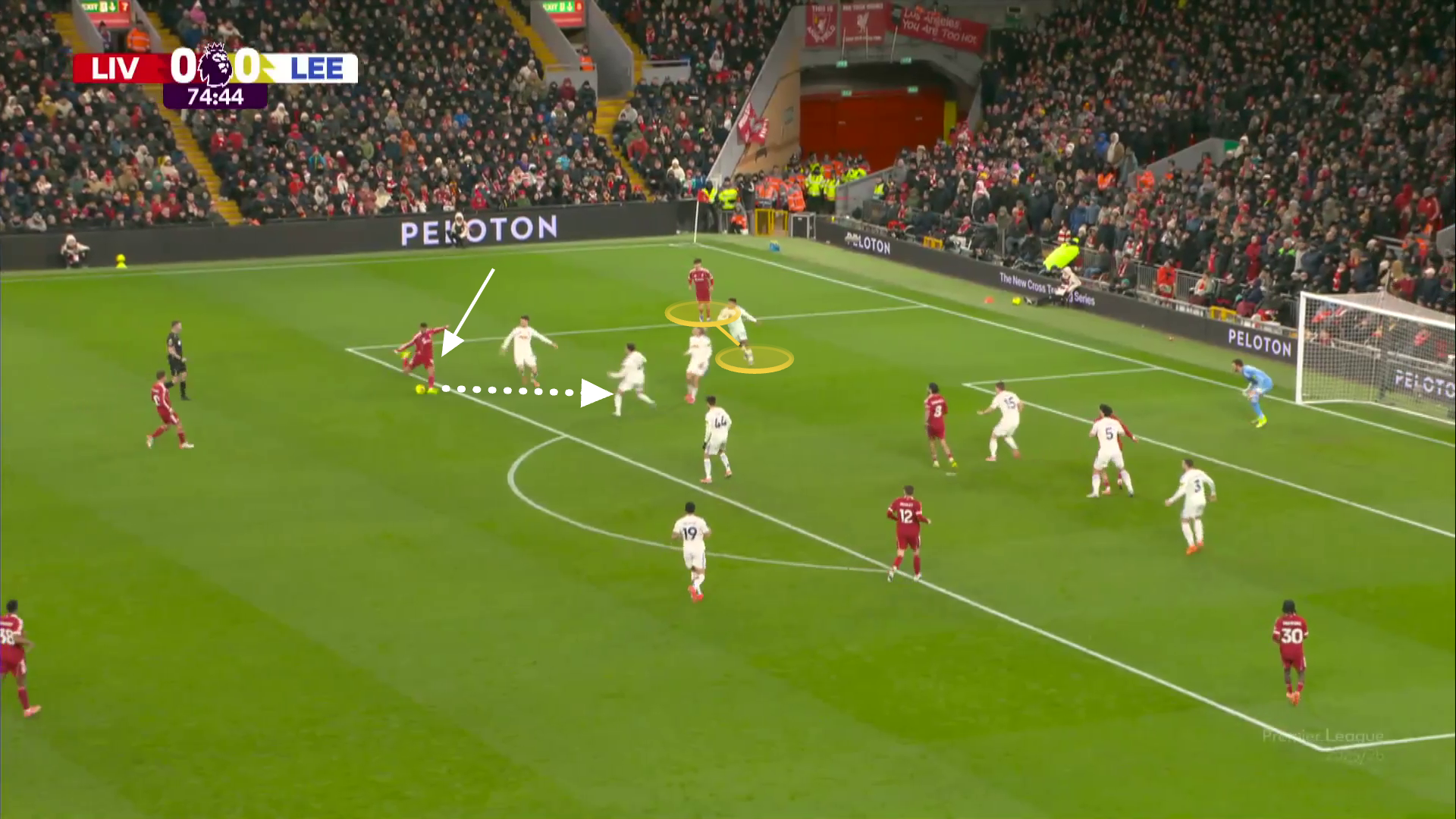
Kerkez's run drags the Leeds' full-back (yellow) away from Gakpo who then cuts inside, taking a long shot that is blocked
Liverpool's long-shot problem
Slot's comments around breaking down low blocks failed to mention long shots, but this can be a viable option.
And Liverpool appear to have leaned into it - whether intentionally or not.
In theory, the threat of long shots can draw defenders out to the ball, opening up space closer to goal.
But players can also opt to pull the trigger themselves if they are not pressed.
Szoboszlai's thumping strike against Barnsley in the FA Cup showcased his ball-striking quality.
In their 1-1 draw against Burnley in the league, Liverpool took 32 shots - with 14 of them coming from outside the area - but six of those were blocked.
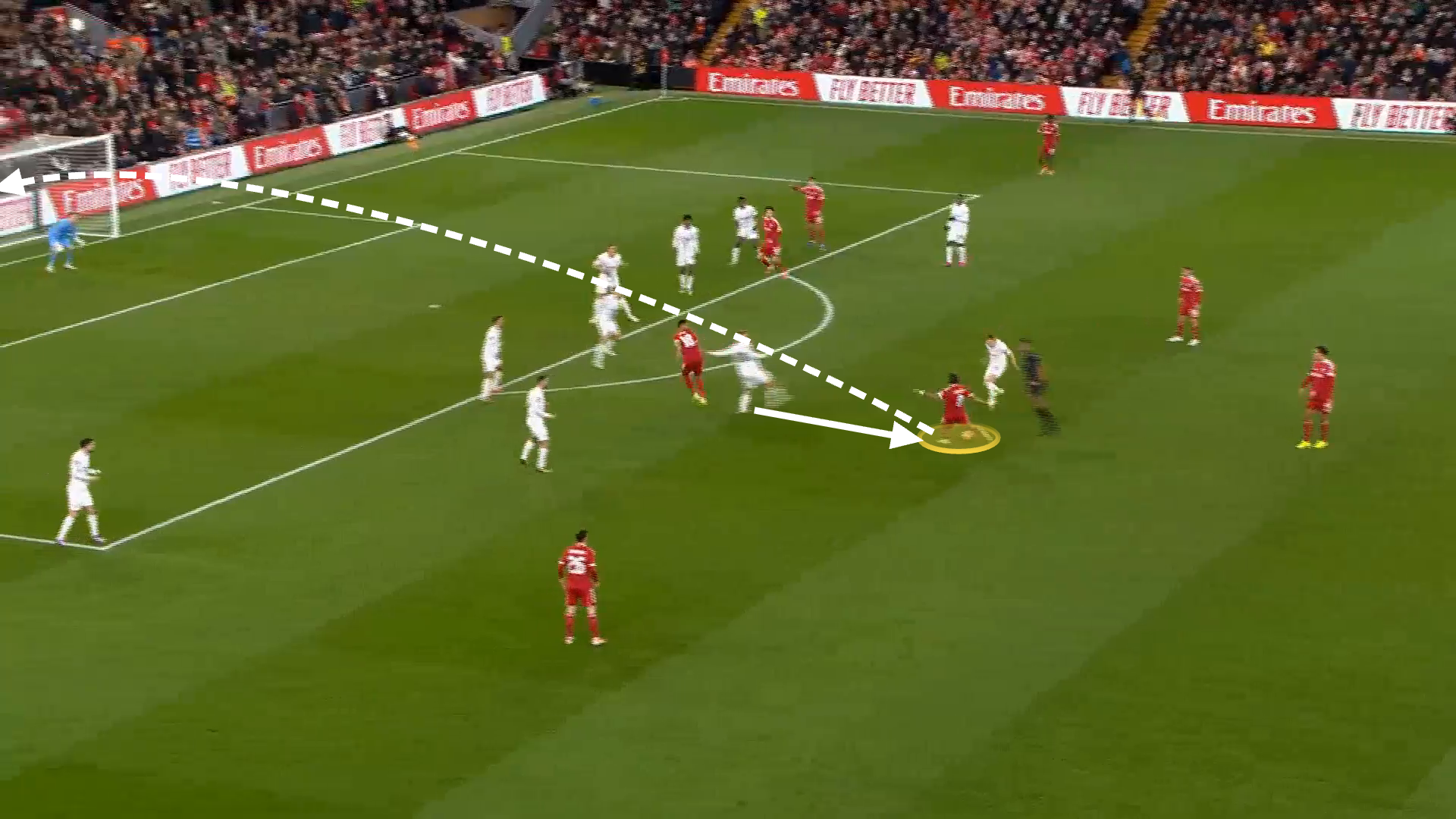
Szoboszlai was able to get his attempt from distance off under less pressure against Barnsley, resulting in a stunning goal
To make long shots work as a tactic, Liverpool need to push defences back through off-the-ball runs or dribbles, to provide more time and space for the player looking to shoot.
The sale of Luis Diaz - who had 4.2 dribbles per 90 minutes last season, the most of any Reds player - and the injury to Frimpong make this harder to achieve.
Slot will have to be creative in the absence of Frimpong in particular and looking to Ekitike or Rio Ngumoha out wide may offer temporary solutions.
Can Liverpool skip low blocks altogether?
Slot's quote finished with him saying "another way is from a counter-attack or winning the ball back high up the pitch".
Going through Liverpool's goals this season, it is not uncommon to see Slot's side burst through the centre of the pitch following an opposition error that leaves their defensive shape disorganised.
The difficulty with this as a solution is Premier League teams often minimise Liverpool's chance to apply pressure in the first place.
Their opponents have played the highest percentage of long passes against them, the most long passes overall, the fewest sequences of 10-plus passes in open play and fewest successful passes overall.
In essence, teams are playing long and defending deep.
To force opponents into errors before attacking the space available, Liverpool may need to do so from a deeper 4-4-2 shape rather than through the gegenpressing that served them so well under former boss Jurgen Klopp.
How will rest of season play out?
At the start of the season, Liverpool committed plenty of players to attack but struggled to contain their opponents' counter-attacks.
Then as their form slumped, Slot tweaked his system to prioritise control and defensive security.
In recent months, Liverpool have stopped leaking goals but are not as potent going forward.
In opting for defensive solidity, there is the possibility Liverpool have become too risk averse in the build-up.
Without Alexander-Arnold's long passes from deep, the Reds are playing more slowly - and seem to be pressing less intensely - which gives them less space to attack.
More has to be expected from a squad possessing so much quality.
Slot appears to have given Florian Wirtz the freedom to float towards the ball in the final third - and putting players in close proximity to one another means Liverpool are able to create overloads, albeit with less space to play in.
This tactic requires time as it depends on an understanding and chemistry that does not develop immediately.
But there has been some promising interplay between Wirtz and Ekitike in recent weeks which could offer Liverpool another method of breaking down low blocks.
After Wirtz's goal against Qarabag from an Ekitike pass, the duo have now assisted each other five times in all competitions this season.
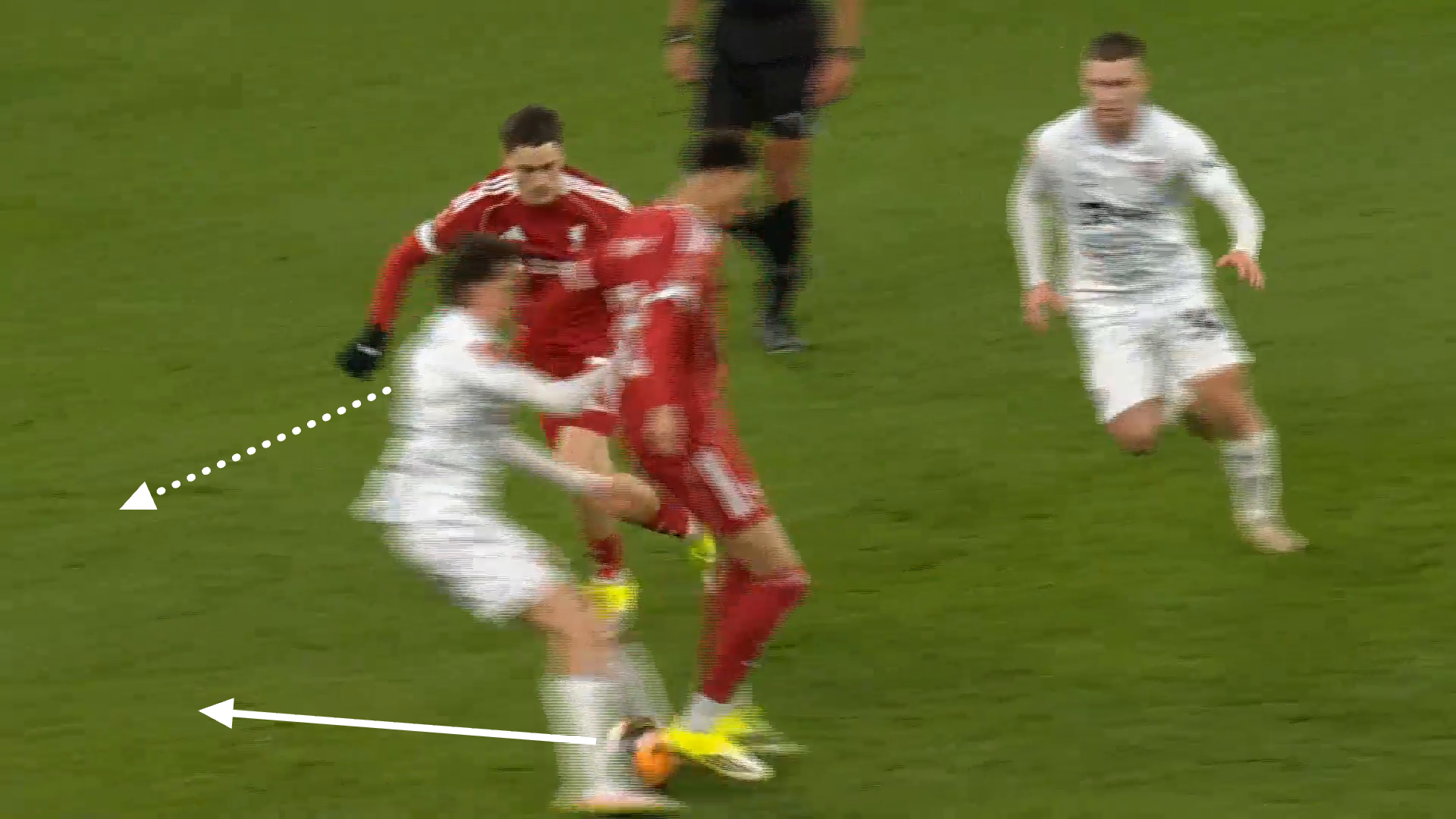
Ekitike's back-heel assist for Wirtz against Barnsley highlights the potential for Liverpool to break deep defences through small-space combinations
In September of last year, Slot said: "I prefer to play against a low block as you have the ball a lot and the other team are far from your goal."
The past few months may have changed his mind - but he will hope his side can start to fix their low-block struggles for the second half of the season.