 1 hour ago
1
1 hour ago
1
REPUBLIKA.CO.ID, JAKARTA -- Director General of Oil and Gas of the Ministry of Energy and Mineral Resources (ESDM), Laode Sulaeman, said downstream is a strategic correction to the long practice of exporting raw materials. He said Indonesia was once in a phase when mining commodities were shipped abroad without added value, and then re-imported in the form of high-value goods.
In the past two decades, he explains, raw materials were exported and buyer countries processed them into valuable products. Those dynamics formed the basis for a change in the direction of energy and mining policy. The downstream drive aims to increase industrial capacity while improving the national natural resource utilization structure.
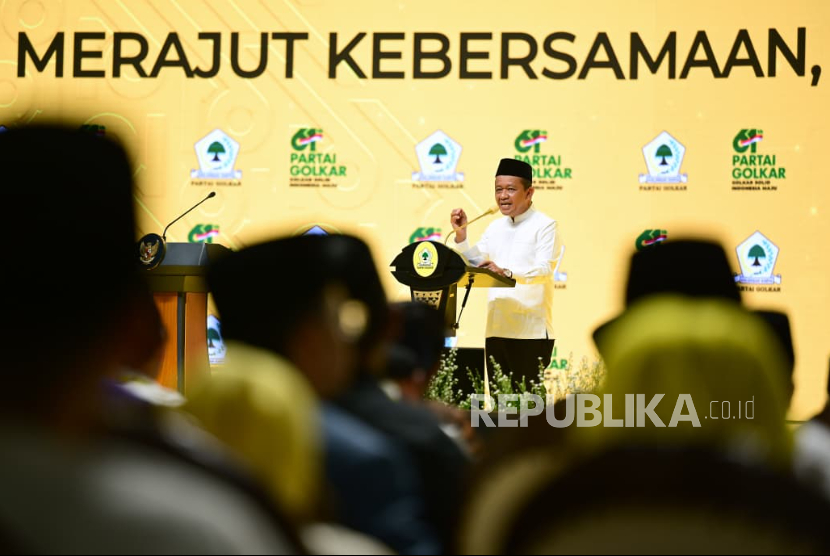
“In the eras of 20 to 25 years ago, if we look at the mining sector, it was the raw goods we all exported,” Laode said at the Rembuk Energy and Downstream 2025 forum, in Jakarta, Wednesday (10/12/2025).
According to him, the progress of smelter construction became a marker of change. When raw materials are shipped directly to domestic processing facilities, the resulting products provide multiplied value to the economy. The transformation became the government's foothold in strengthening energy resilience as well as suppressing dependence from abroad.
The push of reducing oil imports was also a decisive factor. National oil consumption reached 1.6 million barrels per day, while production was in the range of 580 thousand to 600 thousand barrels per day. This gap drives strategies of strengthening production and accelerating replenishment of oil and gas reserves.
The move is carried out through the application of technologies such as enhanced oil recovery and the setting up of an auction of 75 Oil and Gas Working Areas to increase production sources. The achievement of the 2025 State Budget target of 605 thousand barrels per day is the basis for optimism of improving the energy balance in the following years.
The downstream agenda runs parallel to the increase in electricity capacity. The government is targeting an additional 69.5 gigawatts of generation in RUPTL 2025—2034, including increased village electrification and a transition step towards Net Zero Emissions by utilizing gas as a bridge to renewable energy.
Laode recalls the importance of the preparedness of the younger generation in supporting transformation. According to him, the competitiveness of the future rests on the speed of adaptation and cross-scientific ability. “In the future, the one who wins will be the fastest,” said General Migas.
The downstream task force also completed 18 pre-feasibility study documents with an investment value of 38.63 billion US dollars or equivalent 618.13 trillion rupiah. The document becomes a material for further coordination to determine which projects are ready to be implemented through Danantara.
Laode also emphasized downstream as a strategic step to increase added value as well as open up space for investment and high-value jobs. Efforts to set up human resources are directed at increasing human capital in order to strengthen national competitiveness.